
When planning a room, it’s tempting to start with the exciting things: paint colours, beautiful fabrics, furniture and accessories. But before making any decisions, it’s worth taking a step back and looking carefully at the space you have.
Good design starts with understanding a room: its character, its challenges and its potential. Here are five things to consider before beginning any interior design scheme.
1. Look at the architecture
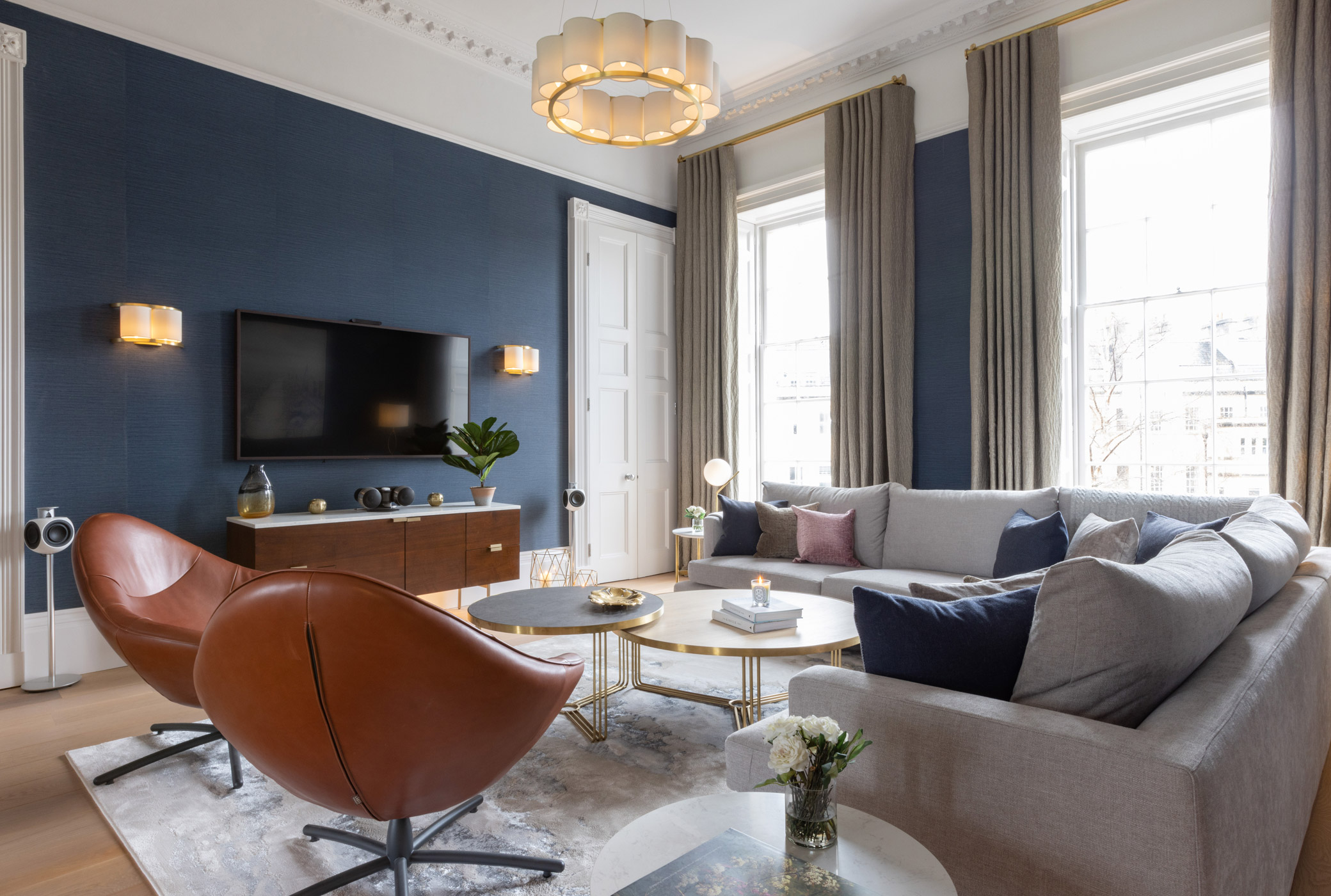
Every room has its own character. It might be an original fireplace, decorative cornicing, deep skirting boards, timber floors or interesting alcoves.
Rather than immediately thinking about what to change, consider what is worth preserving and celebrating. Particularly in period properties like the Victorian and Georgian houses that dominate Bath’s architecture, these details can give a room much of its personality. Thoughtful choices of colour, lighting and furniture can help bring these beautiful features to life.
2. Understand the light
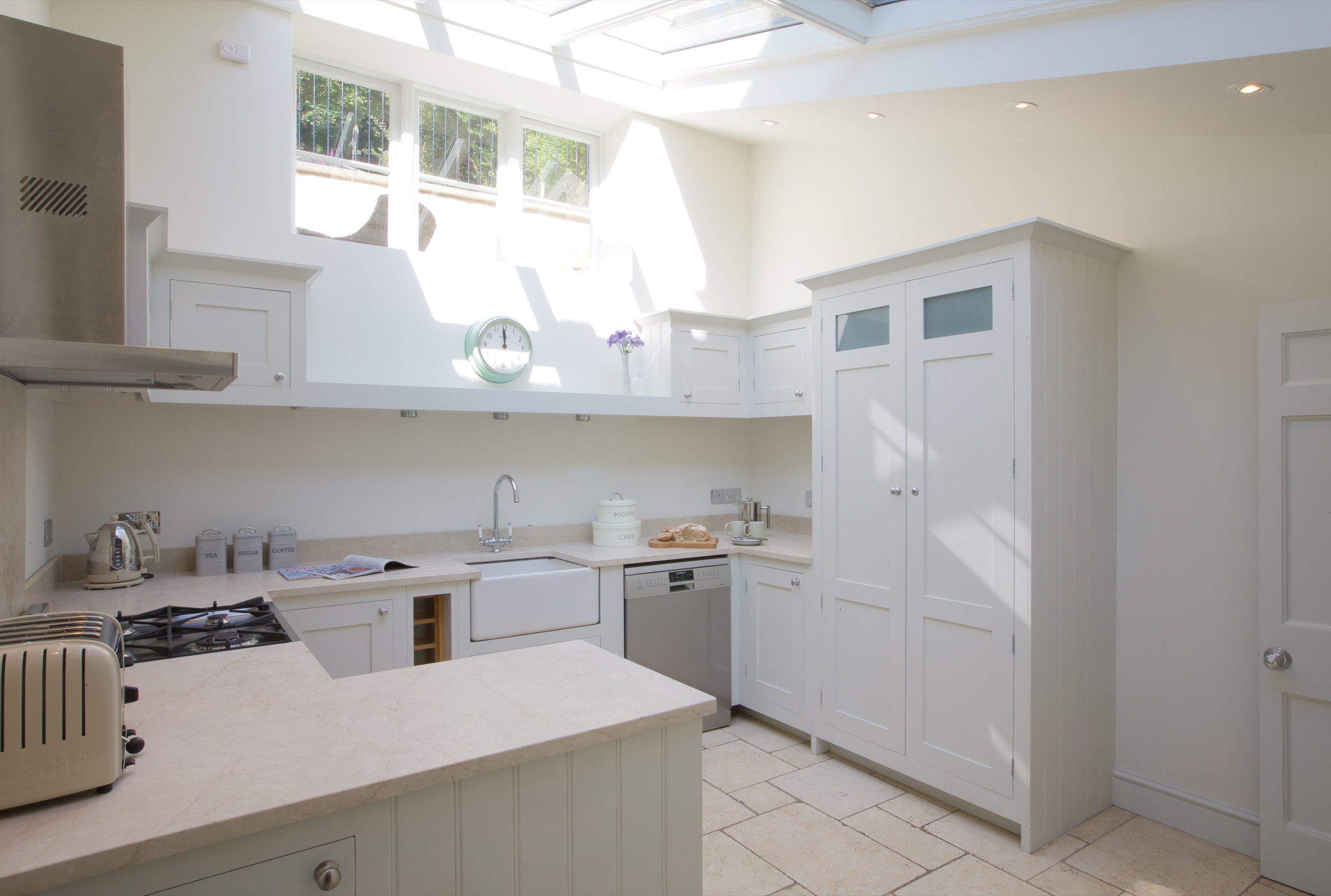
Natural light has a huge influence on how a room looks and feels. A north-facing room tends to get cooler, more consistent light, while a south-facing space can be much brighter and warmer. East-facing rooms enjoy morning sunshine, while west-facing rooms are often bathed in afternoon and evening light.
This makes a difference when choosing paint colours and fabrics. Always consider how a colour will look at different times of day, rather than relying on how it appears in a showroom or on a colour chart. Put colour paint swatches up on your walls and watch how the colour changes depending on the time of day.
3. Consider the proportions
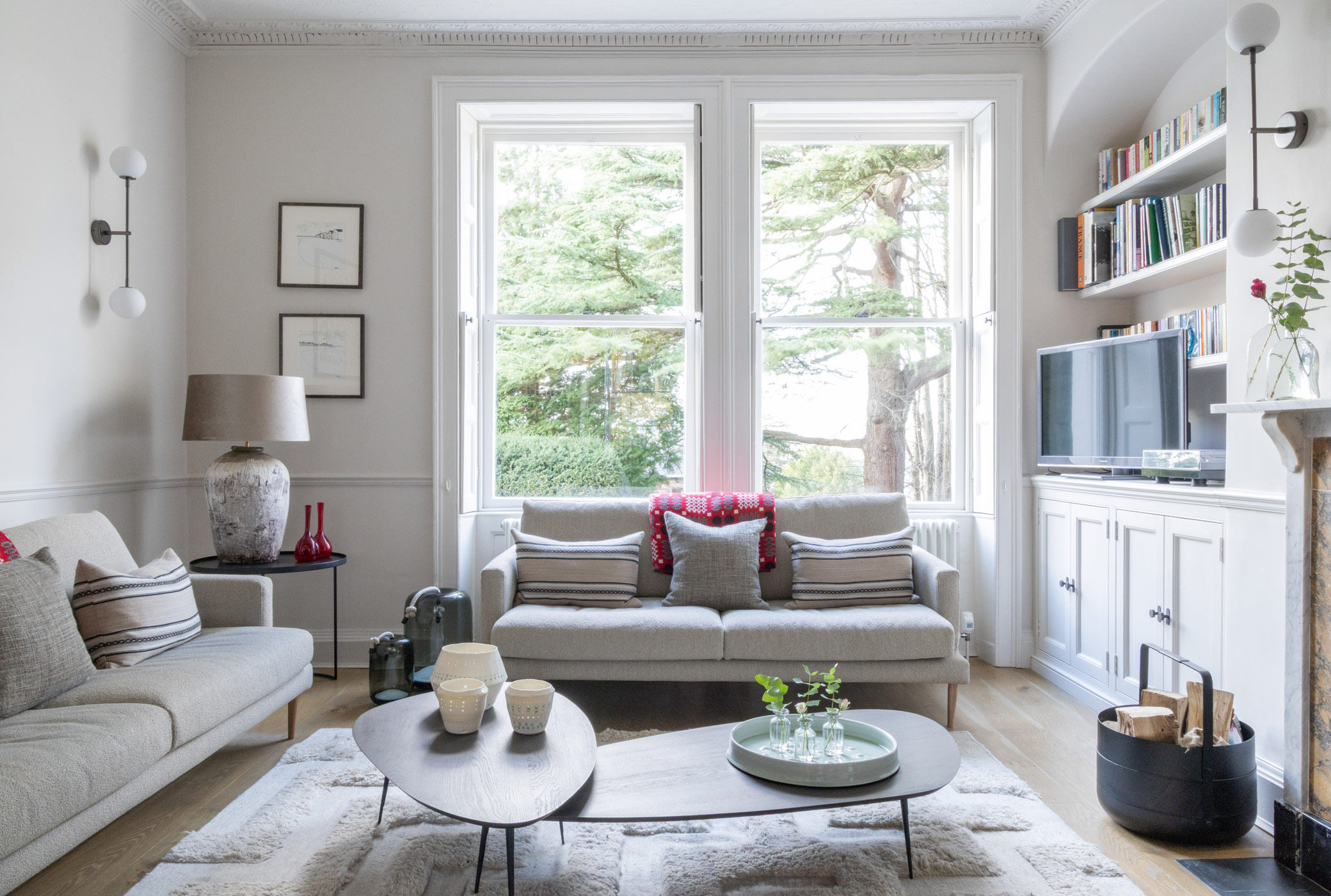
The shape and size of a room will influence everything from furniture placement to colour and pattern choices.
A long, narrow room might benefit from being divided into different zones, while a large space can sometimes feel more inviting with smaller, defined seating areas. In a compact room, careful furniture selection and clever storage can make all the difference.
It’s also important to think about how people move around the space. A good layout should feel natural and comfortable, not cramped or awkward.
4. Decide what stays and what goes
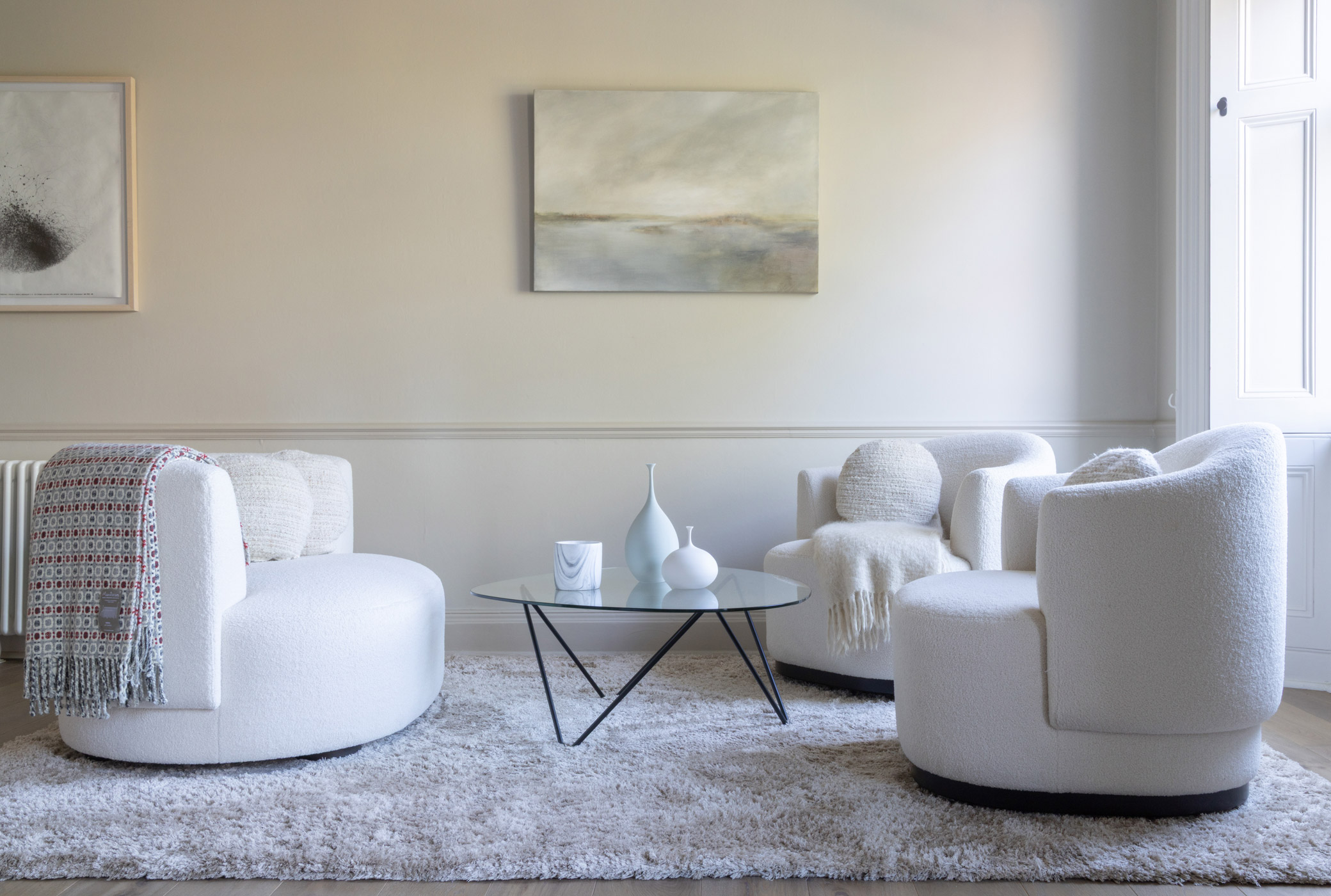
Before choosing finishes and furniture, take stock of what is already there. Are the floors worth restoring? Does the fireplace need updating? Could built-in storage improve the space? Do the radiators or lighting need moving?
Making these decisions early helps establish priorities and avoid unnecessary expense later. Sometimes retaining an existing feature can add character while saving money, too.
5. Find the focal point
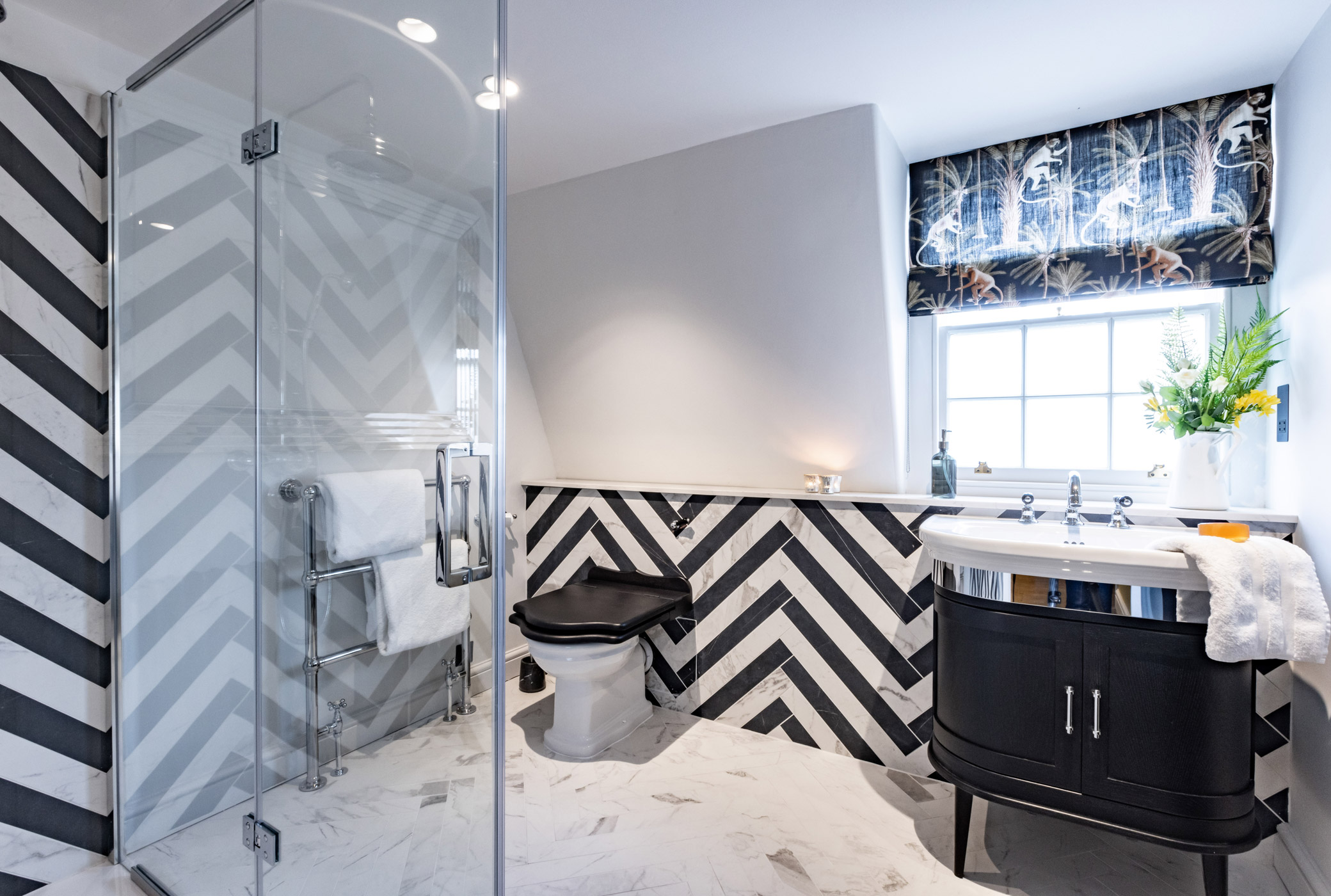
Most successful rooms have a natural focal point. It might be a fireplace, a beautiful window, an interesting view or a striking piece of furniture.
Think about where your eye goes when you first enter the room. If there isn’t an obvious feature, consider creating one through artwork, lighting, colour or furniture placement.
The focal point will help bring the rest of the scheme together and give the room a sense of purpose.
Start with the space you have
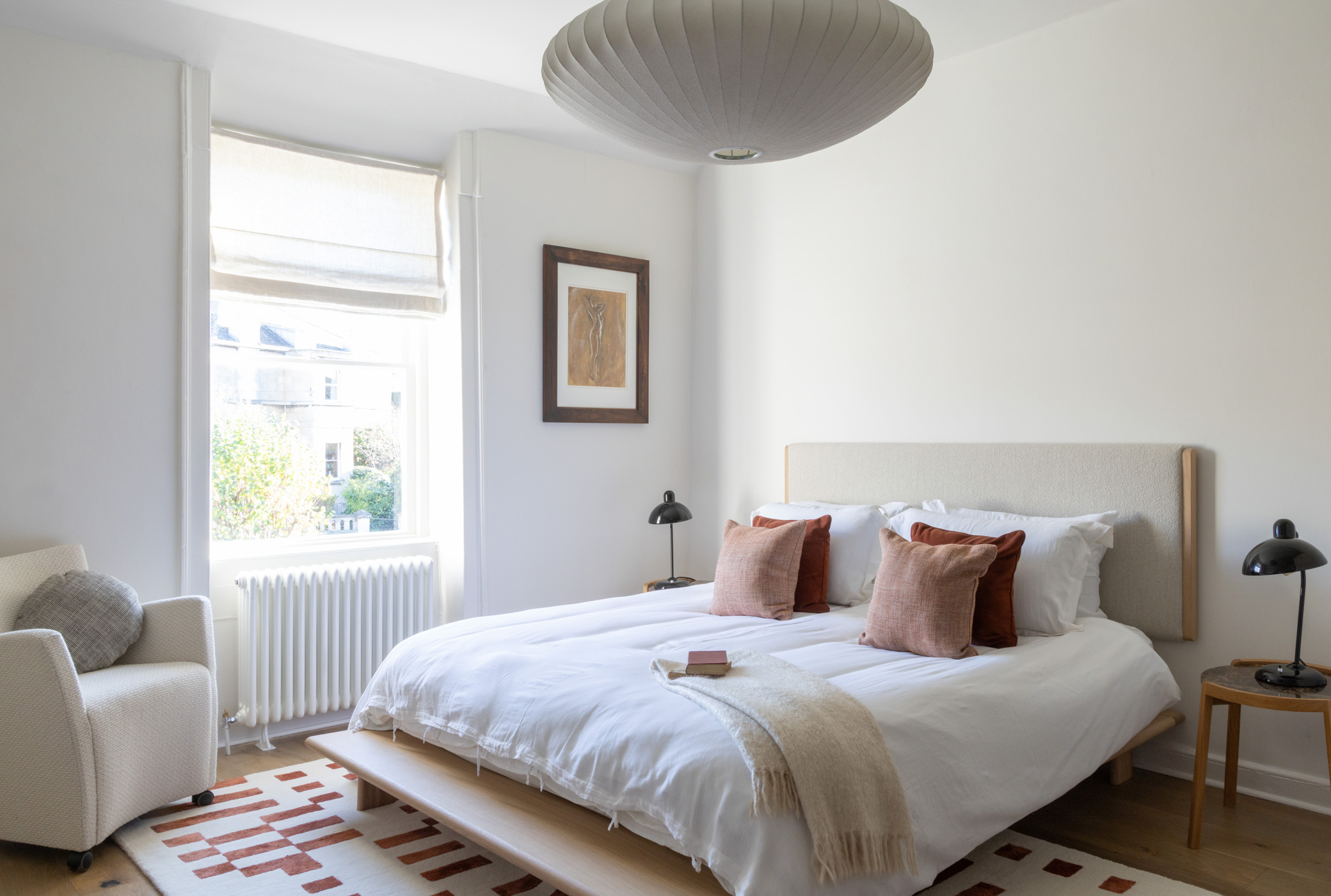
Good interior design isn’t simply about choosing beautiful things. It’s about understanding how a room works, making the most of its features and creating a space that reflects the people who live there.
By considering these elements before making design decisions, you can create a home that feels cohesive, comfortable and individual.


