
Children’s bedrooms are some of the most enjoyable spaces to design. They give you the freedom to be more playful with colour, pattern and imagination – but that doesn’t mean they have to look childish.
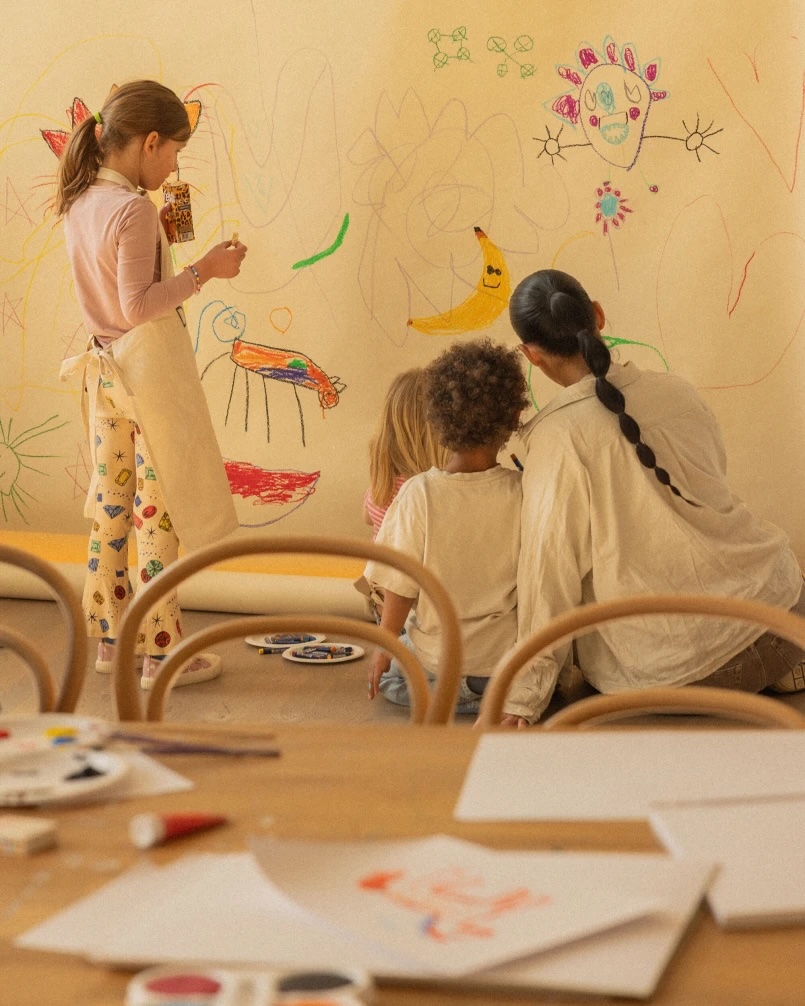
The challenge is creating a room that works for a child now, while still feeling stylish and relevant as they grow. Add in limited space, an ever-growing collection of clothes and toys, and the fact that a bedroom needs to work for both play and sleep, and there is rather a lot to consider.
Here are some of my favourite ways to create a children’s bedroom that is practical, beautiful and designed to last.
Choose a scheme that can grow with them
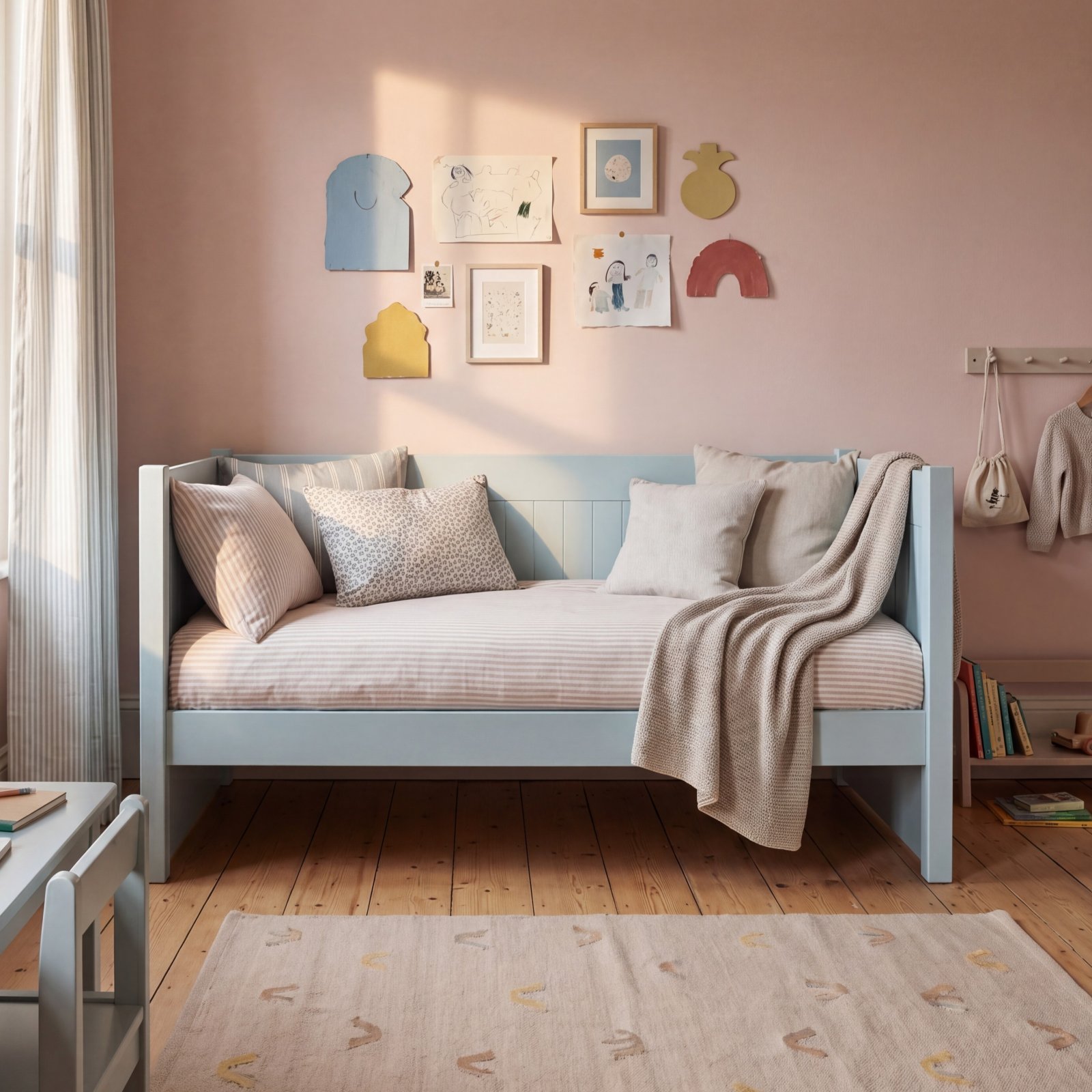
I tend to avoid anything too obviously themed. Children’s tastes change so quickly that a room designed entirely around dinosaurs, princesses or a particular cartoon character can have a very short lifespan.
Instead, create a timeless backdrop with paint or wallpaper, then bring in personality through artwork, bedding, cushions and the things they love. These are much easier – and less expensive – to change as they get older.
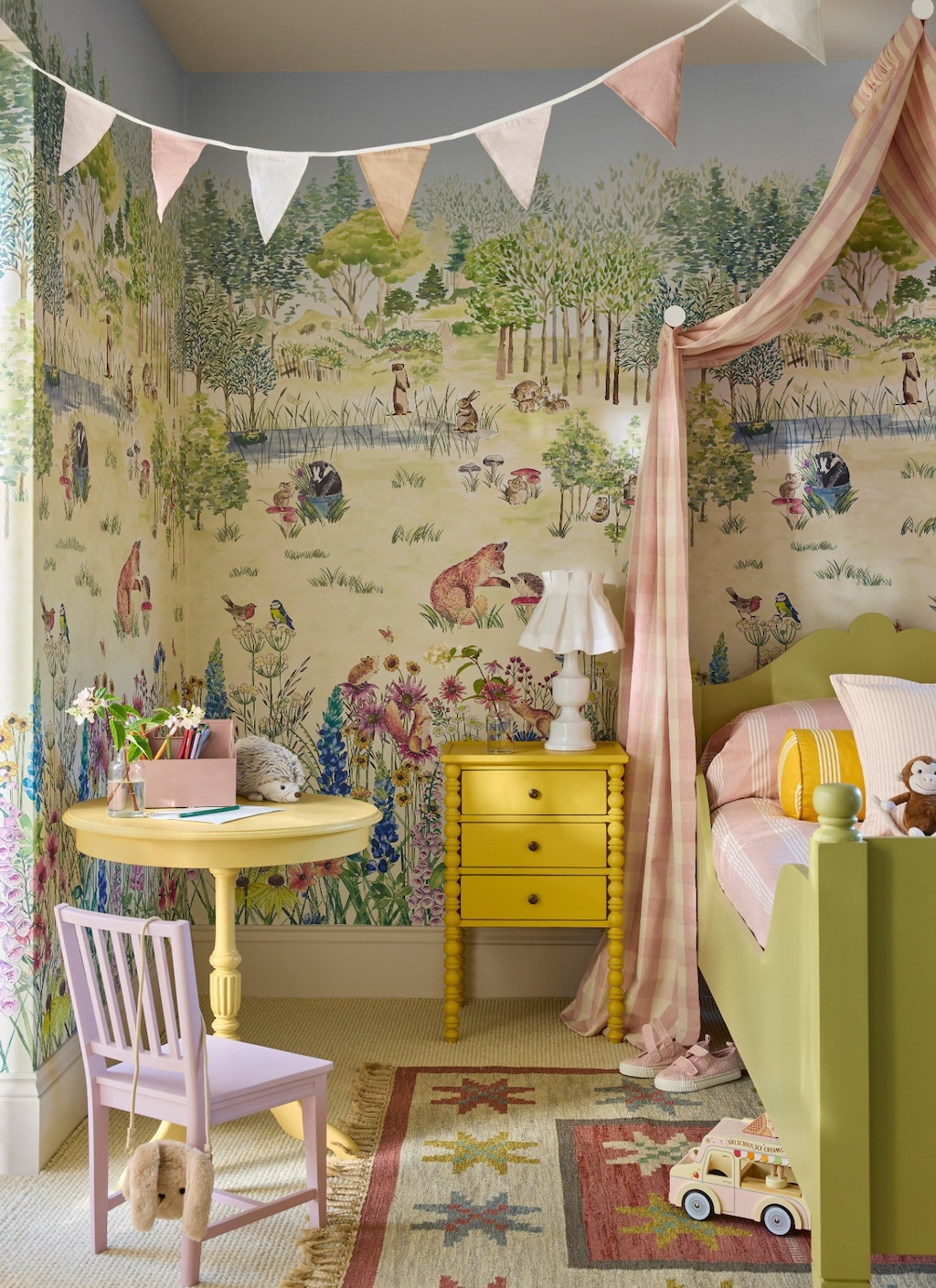
And don’t be afraid of sophisticated colour. Soft greens, dusty pinks, warm blues and earthy neutrals can all look wonderful in a child’s bedroom. A stronger colour can be introduced on one wall, the ceiling or a piece of furniture for a little more drama.
Make storage part of the design
Good storage is essential, particularly when space is limited.
Built-in wardrobes can make use of every available centimetre and are particularly useful in awkward rooms, while drawers under beds are perfect for toys, spare bedding or clothes that are currently out of season.
I also like to combine open and closed storage. Shelving gives children somewhere to display their favourite books and possessions, while cupboards and drawers allow everything else to disappear when it is time to tidy up.
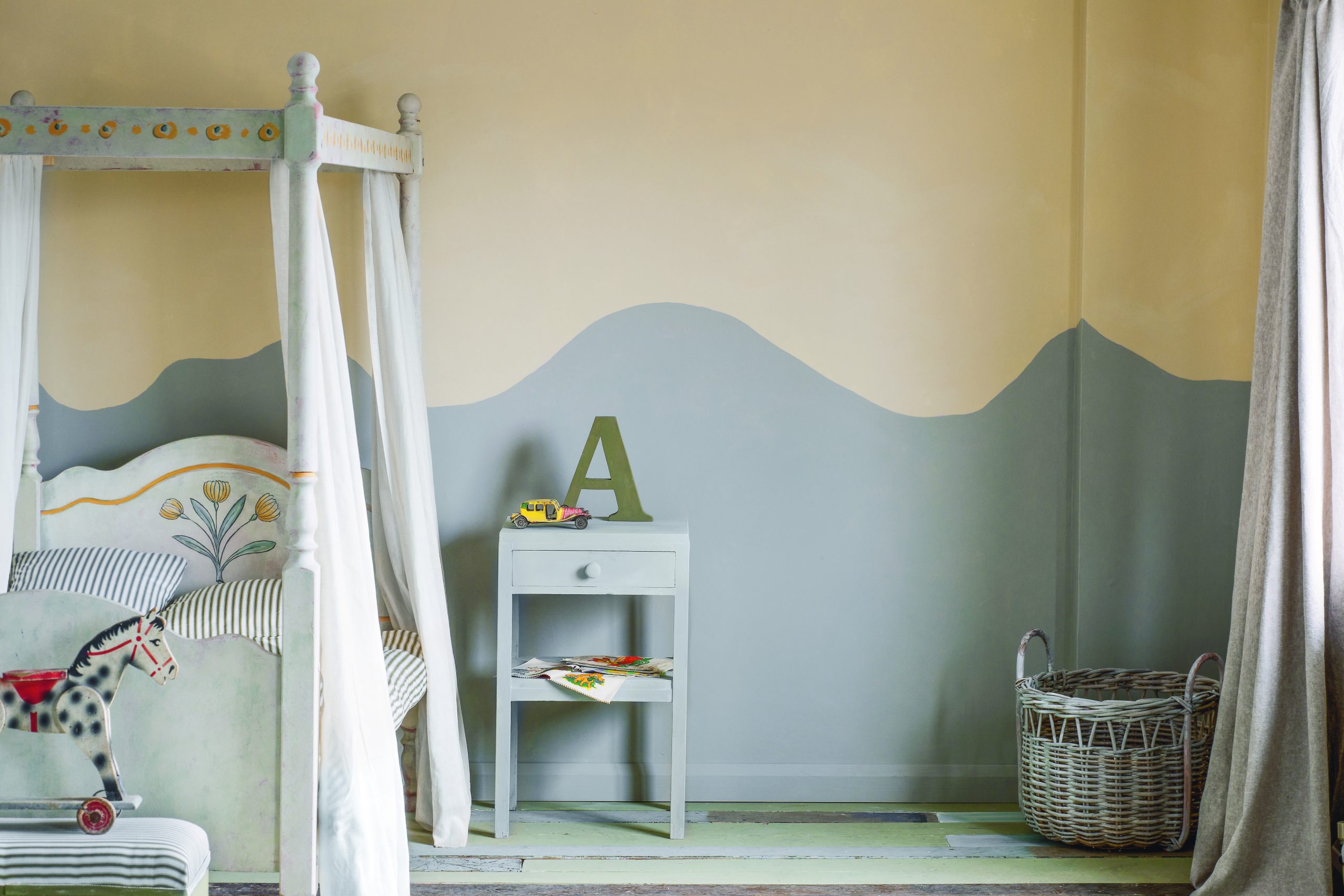
In smaller bedrooms, look upwards. Floor-to-ceiling storage, high shelves and cleverly designed bunk or loft beds can make a surprising difference.
Invest in good furniture
Children’s furniture needs to withstand a lot, but there is no reason it can’t be beautiful too.
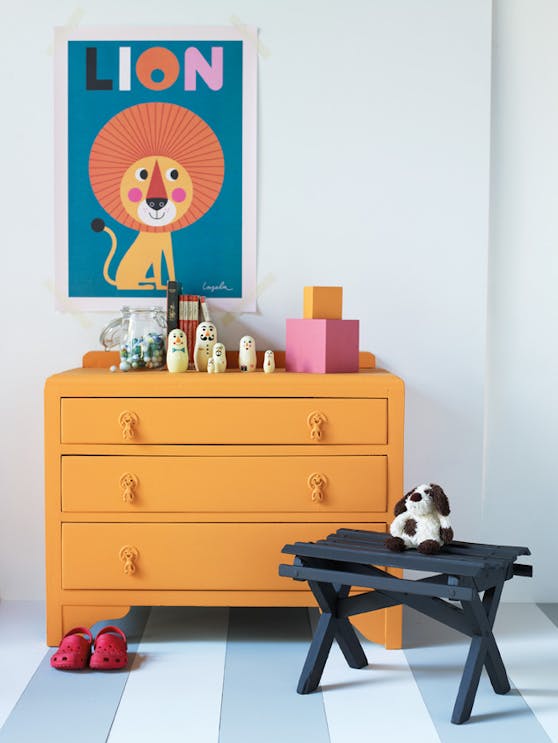
Rather than choosing pieces that are obviously designed for young children, look for well-made furniture with simple, timeless shapes. A good chest of drawers, a beautiful bed or a well-designed desk can stay with a child for many years.
In a small bedroom, furniture that performs more than one function is particularly valuable. A built-in desk beneath a raised bed, a window seat with drawers underneath or a wardrobe incorporating a study area can all make better use of the available space.
Add pattern and personality
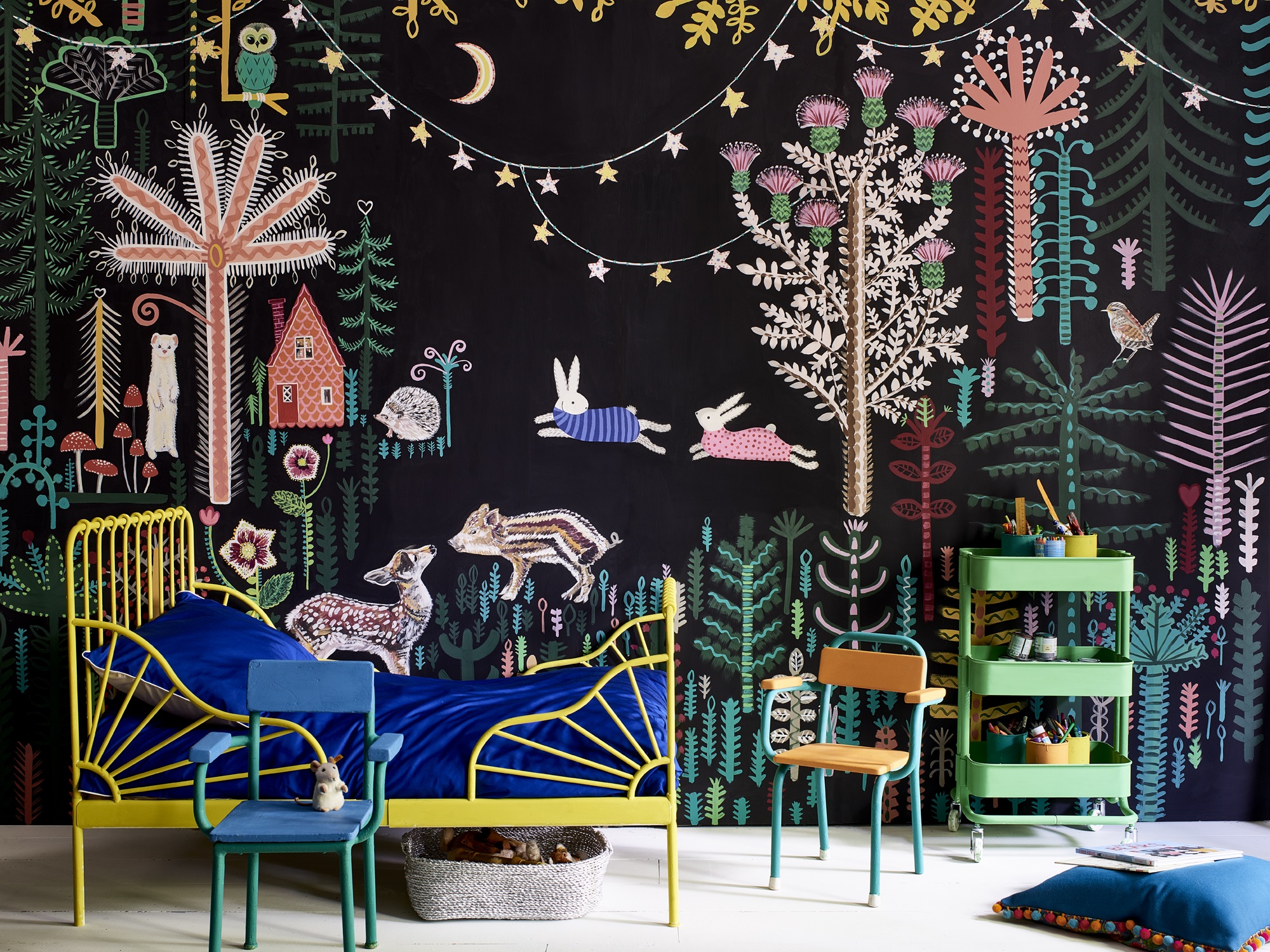
This is where you can have fun.
Wallpaper is a wonderful way to bring character to a children’s bedroom, and I love using patterns that feel whimsical without being too juvenile. Florals, stripes, checks and botanical prints can all work beautifully.
Don’t feel that everything needs to match. Layering different patterns, textures and colours creates a room that feels more individual and collected.
And, most importantly, leave room for the child’s own personality. Display their drawings, favourite books, collections and treasures. A bedroom should feel like their space, not a perfectly styled show home.
Think beyond the bedroom
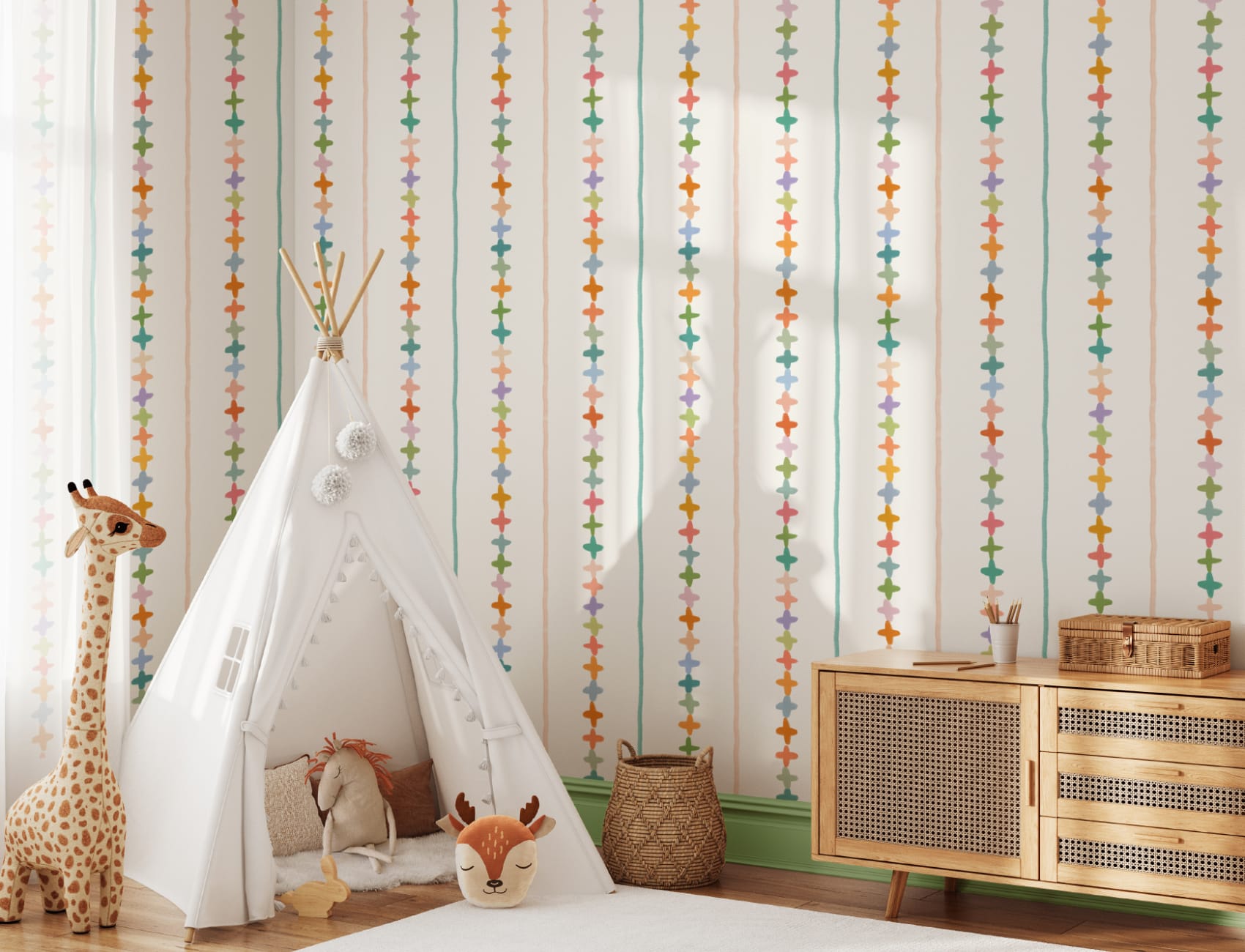
A child’s room still needs to feel connected to the rest of the house.
This is particularly important in period properties, where retaining architectural features and choosing colours and materials that complement the wider interior can create a much more sophisticated result.
The aim isn’t to make a children’s bedroom overly grown-up. It is to create a space that feels considered, comfortable and full of personality – somewhere they can play, read, dream and grow.
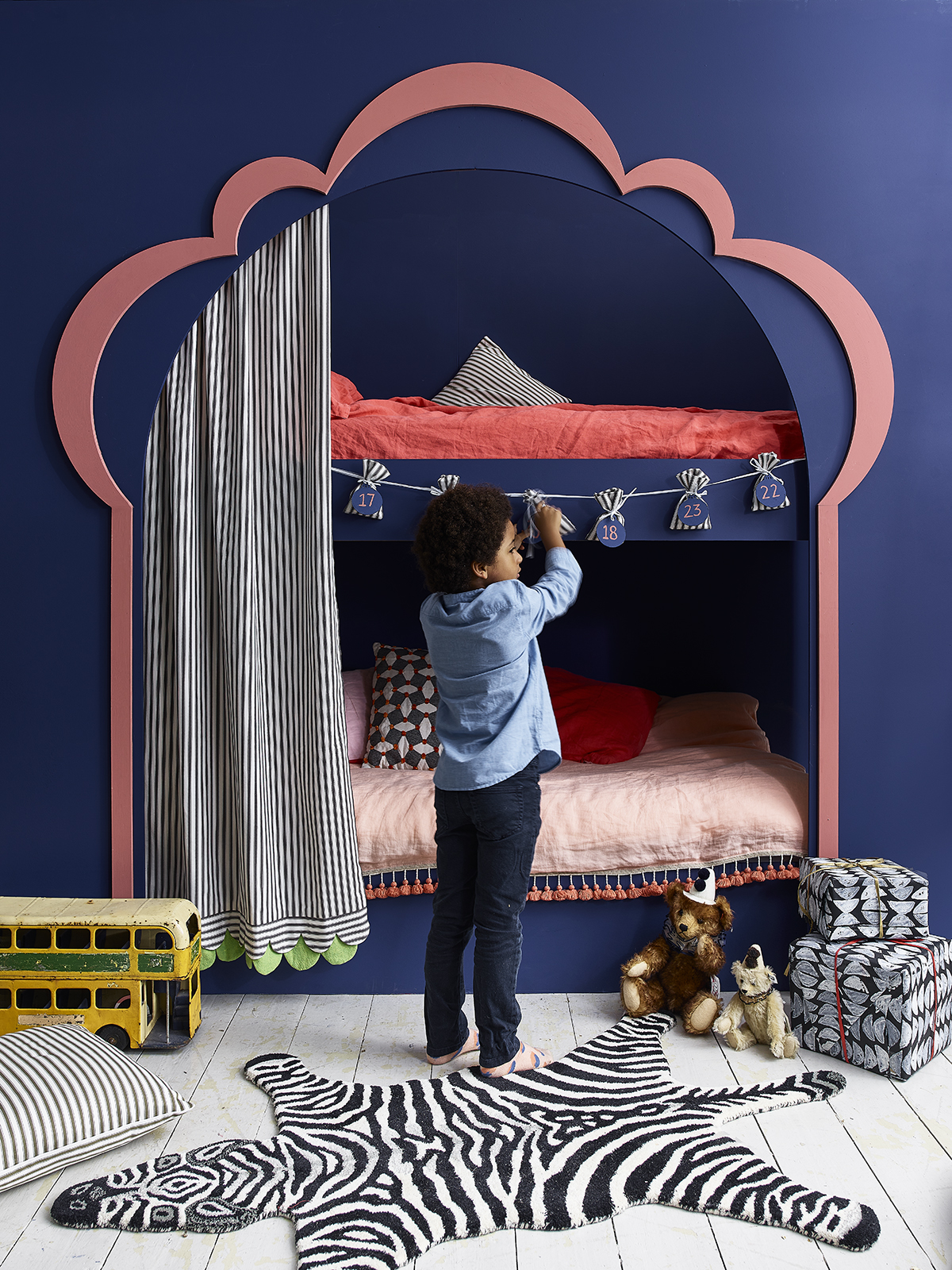
The best children’s bedrooms aren’t necessarily the most elaborate. They are the ones that balance beautiful design with the realities of family life.


