
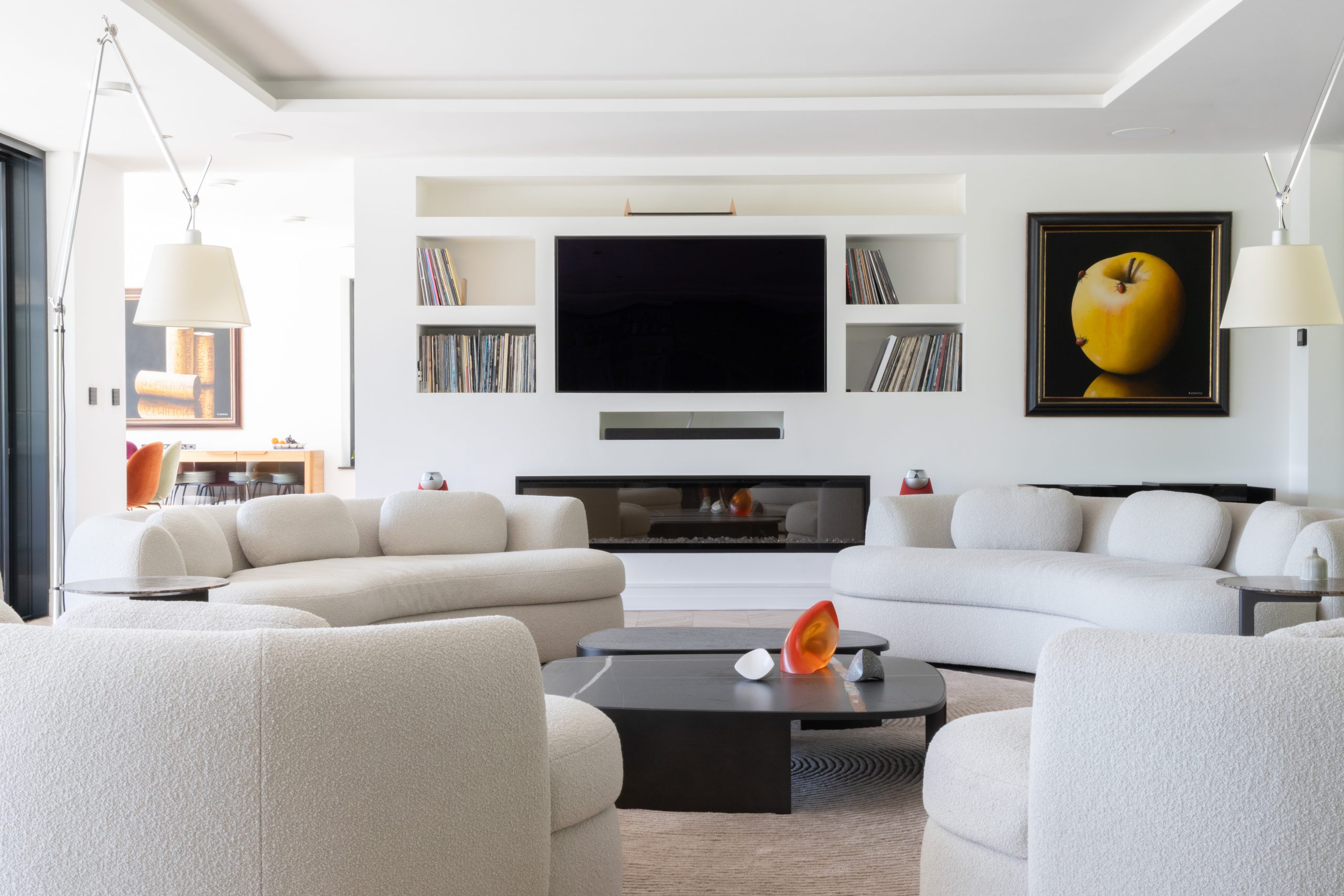
Good interior design isn’t necessarily about following trends or spending a fortune. It’s about creating a home that works for the way you live, feels comfortable and looks effortlessly put together. While there are no hard and fast rules, there are a few tried-and-tested design principles that can make all the difference.
1. Think about your lifestyle
Before you start decorating, think about how you actually use each room. There is little point designing a formal sitting room if you spend most evenings relaxing in front of the television, or creating a beautiful but impractical kitchen if you have a busy young family. If you love entertaining, you might want a generous kitchen island or a large dining table. If relaxation is your priority, invest in comfortable sofas and good lighting. The best interiors are designed around the people who live in them.
2. Declutter before you decorate
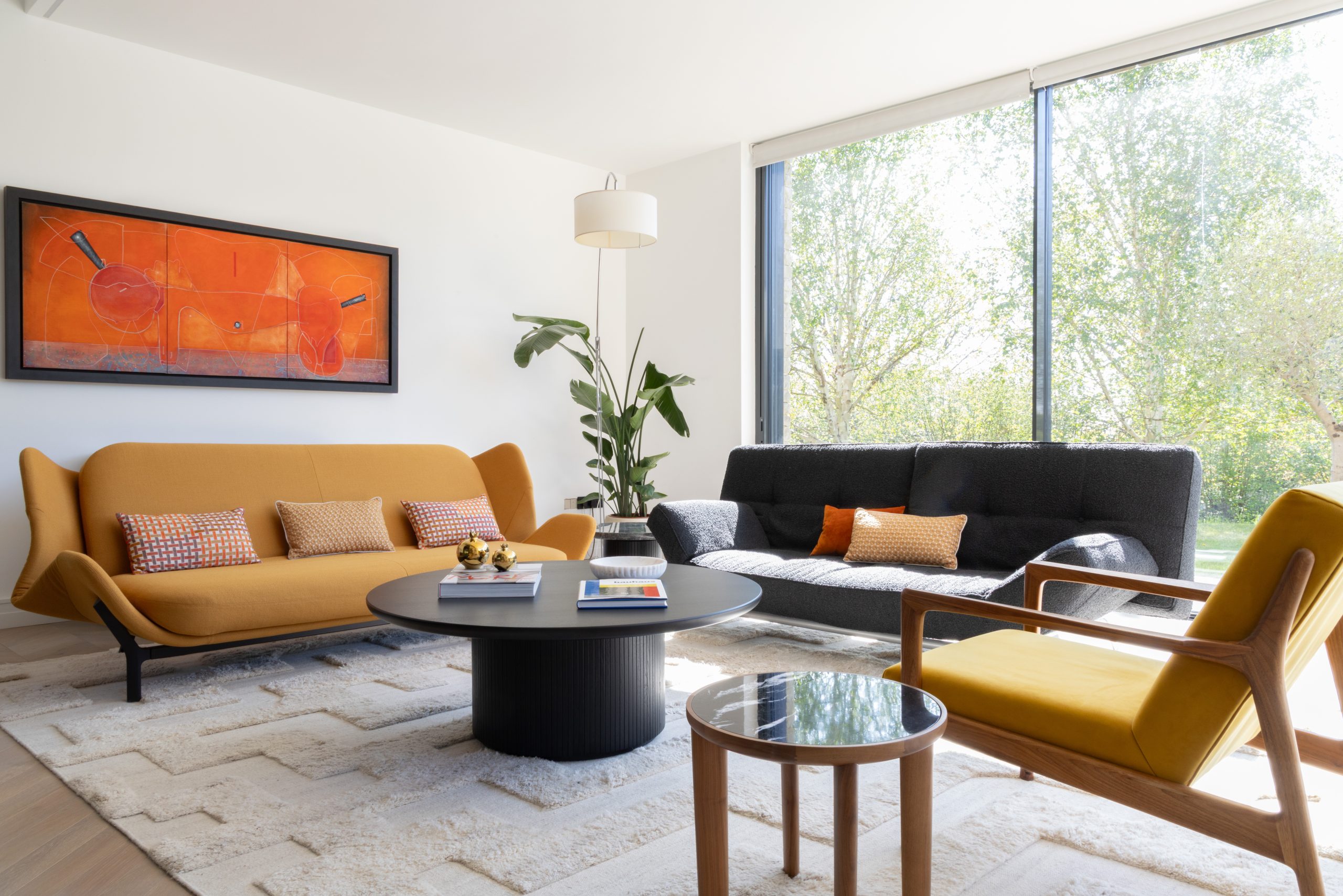
Before making any design decisions, take a good look at what you already have. Decluttering helps you see the potential of a room and makes it easier to decide what needs to change. Think about what should be kept, stored away, recycled or given a new home. It’s also a good opportunity to consider whether your storage is working hard enough. Could built-in alcove cupboards, a hallway shoe cabinet or some clever under-stair storage make everyday life easier?
3. Remember the importance of layers
A well-designed room should feel considered and layered rather than looking as though everything has been bought at once. Start with the foundations – walls, floors and architectural details – then add your larger furniture pieces, followed by smaller furniture, lighting, rugs, cushions, curtains and accessories. Each layer adds depth, texture and personality. If the 60:30:10 colour rule sounds too complicated, simply think about building up a room gradually, allowing each element to work with the others.
4. Every room needs a little black
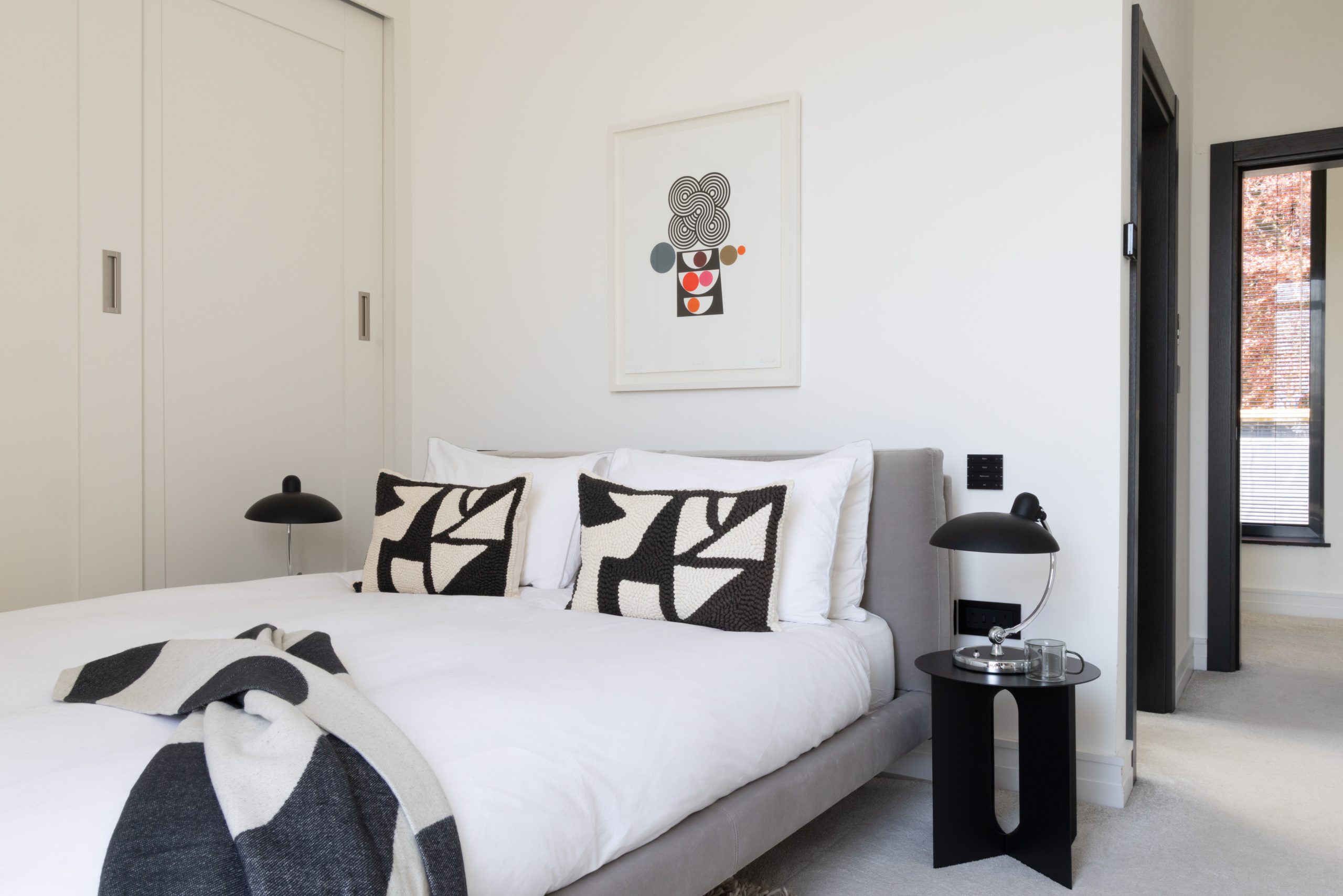
Black might not be the first colour you think of when decorating, but a touch of it can make a surprising difference. Think of it as a versatile neutral that adds definition and contrast. It could be a black picture frame, a lamp, a piece of furniture or a darker detail in a patterned fabric. Used sparingly, black helps anchor a scheme and gives softer colours and natural materials a little more impact.
5. Mix your fabrics and textures
Don’t be afraid to mix different fabrics and textures. Combining soft velvet with natural linen, smooth silk with chunky wool or patterned cotton with tactile boucle creates interest and makes a room feel more inviting. Plan your soft furnishings early in the design process so that colours and patterns work together. You don’t need everything to match, but choosing fabrics within a similar tonal palette will help create a harmonious scheme.
6. Get your lighting right
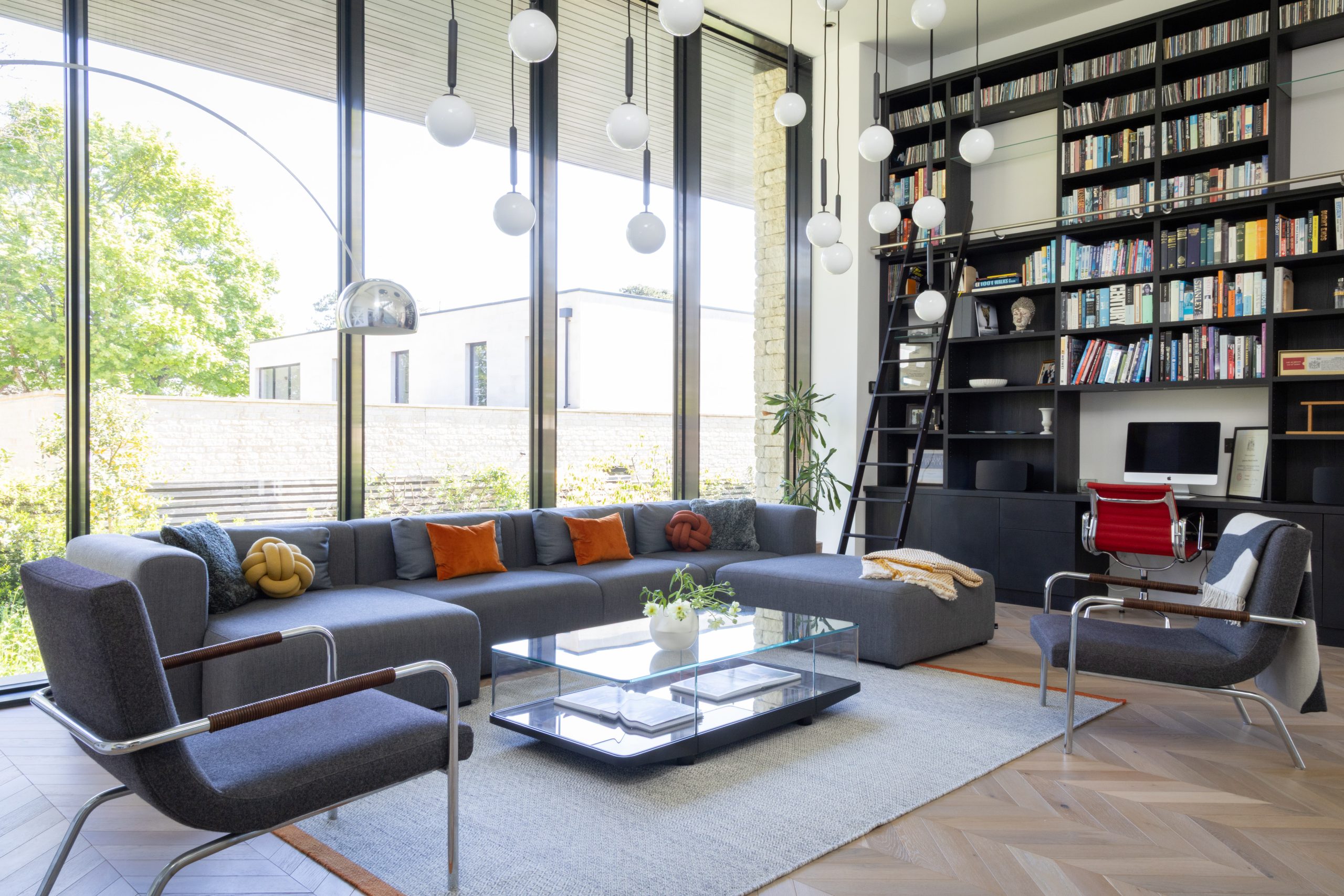
Lighting can completely transform the atmosphere of a room, yet it’s often one of the last things people think about. Rather than relying on a single overhead light, introduce several layers of lighting. Combine ceiling lights with table lamps, floor lamps and wall lights to create different moods. Use brighter task lighting where you need it, such as over kitchen worktops or beside a reading chair, and softer, warmer lighting in areas where you want to relax.
7. Don’t push all your furniture against the walls
It might seem like pushing furniture against the walls will make a room feel bigger, but it can actually have the opposite effect. Where space allows, bring sofas and chairs slightly into the room to create a more intimate and sociable arrangement. Think about how people will move around the space and whether furniture encourages conversation. Even a small gap behind a sofa can make a room feel more thoughtfully arranged.
8. Invest in the pieces that matter
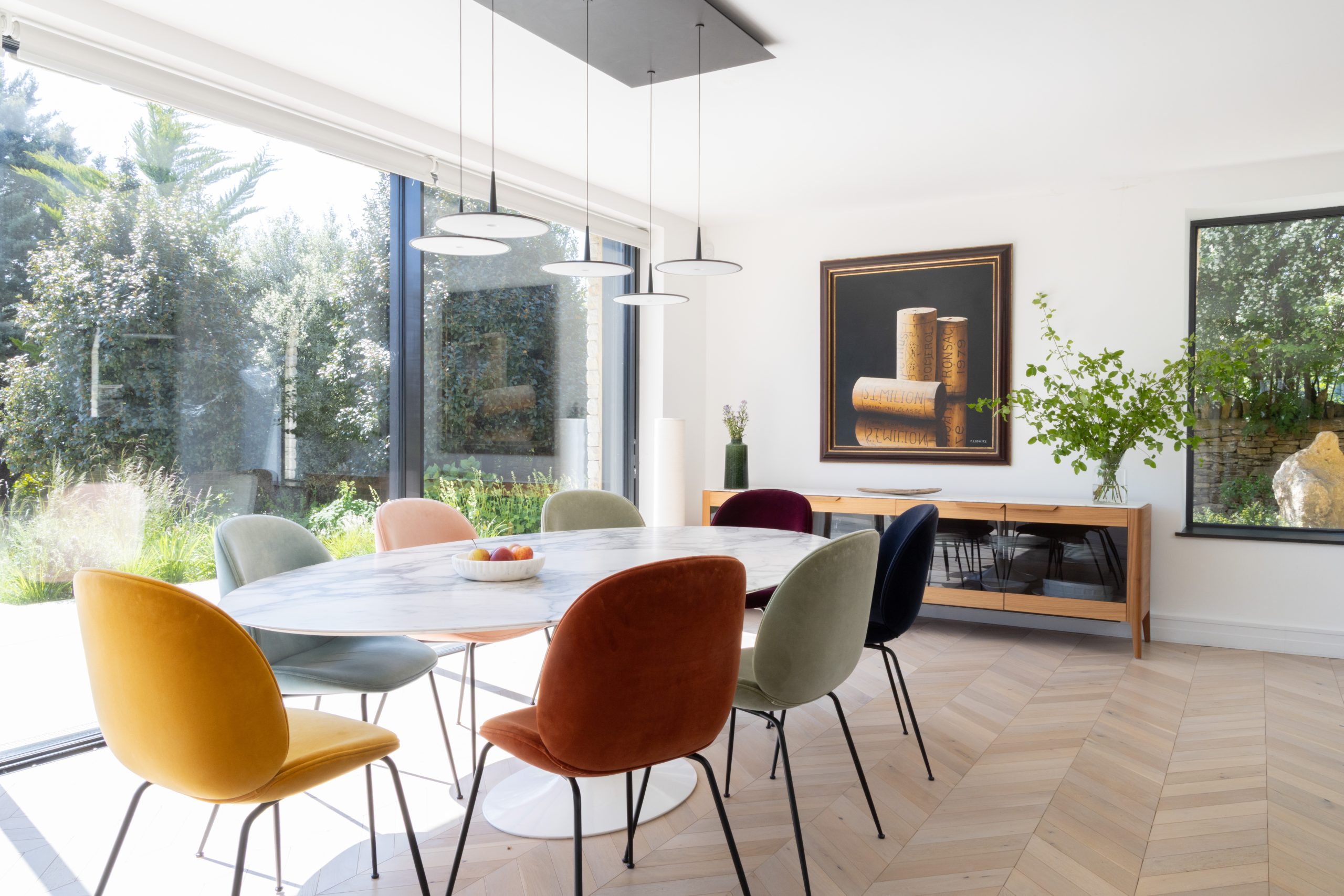
Not everything in a room needs to be expensive, but it’s worth investing in the things you use every day. A well-made sofa, a comfortable mattress, good flooring or beautifully made curtains can make a real difference to how a home looks and feels. You can always save money on smaller accessories and decorative details, which are much easier to change over time. Think about quality and longevity rather than simply following the latest trend.
9. Hang curtains high and wide
One of the simplest ways to make a room feel more elegant is to hang curtains higher and wider than the window itself. Fixing the curtain pole or track closer to the ceiling creates the illusion of height, while extending it beyond the window frame allows more natural light into the room when the curtains are open. Choose curtains that just skim the floor for a beautifully finished look. It’s a small detail that can make a surprisingly big difference.
10. Add personality – and don’t forget the finishing touches
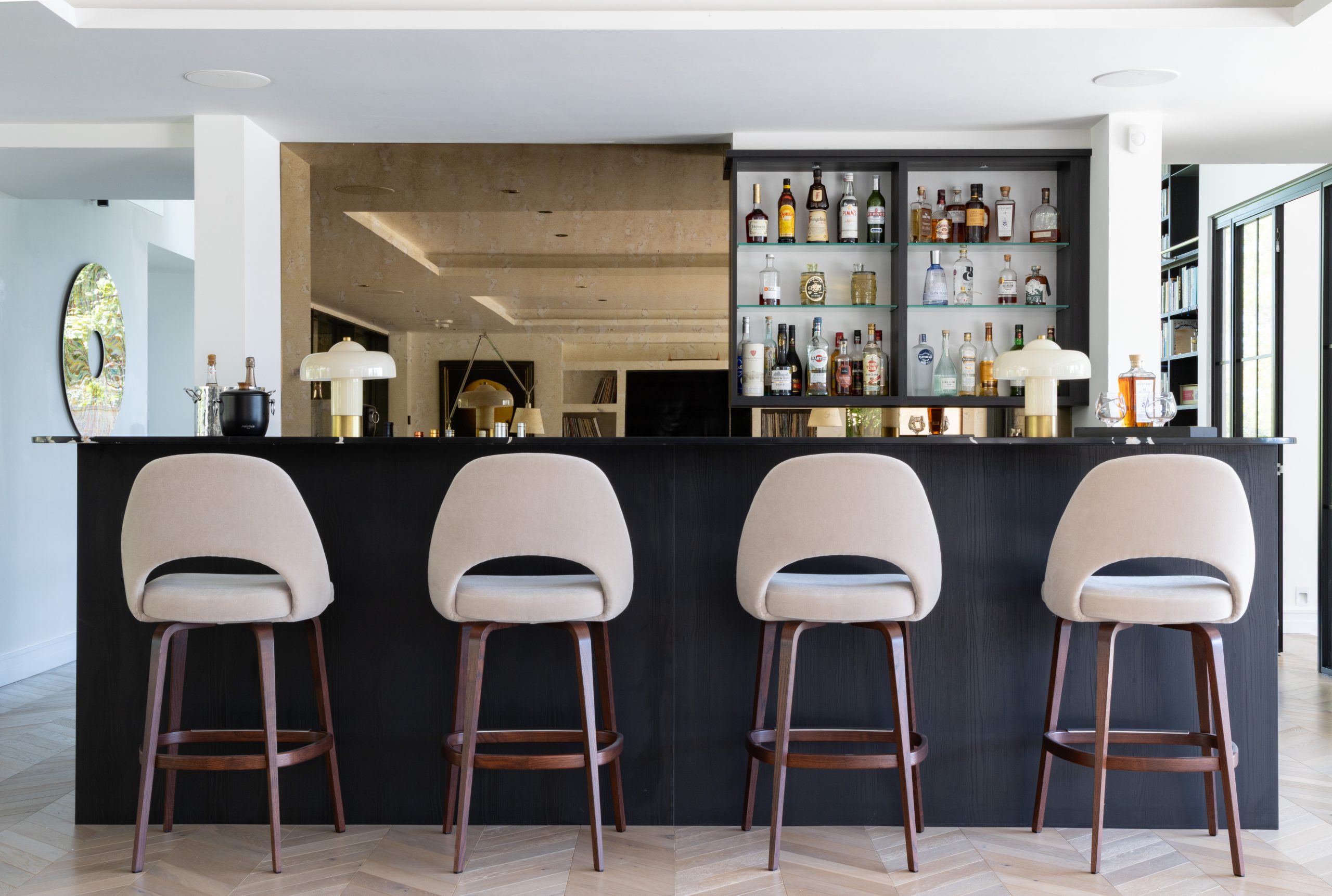
A beautiful home should reflect the people who live in it. Don’t feel you have to follow every trend or buy everything from the same collection. Mix old and new, display artwork you love, incorporate meaningful objects collected over time and introduce books, plants and personal treasures. These finishing touches are what make a house feel like a home. The most successful interiors have character and a sense of individuality.
Ultimately, the best interior design rules are the ones that help you create a home you love living in. These principles provide a useful starting point, but don’t be afraid to experiment, mix things up and make a space your own. A beautifully designed home should be as individual as the people who live in it.


